
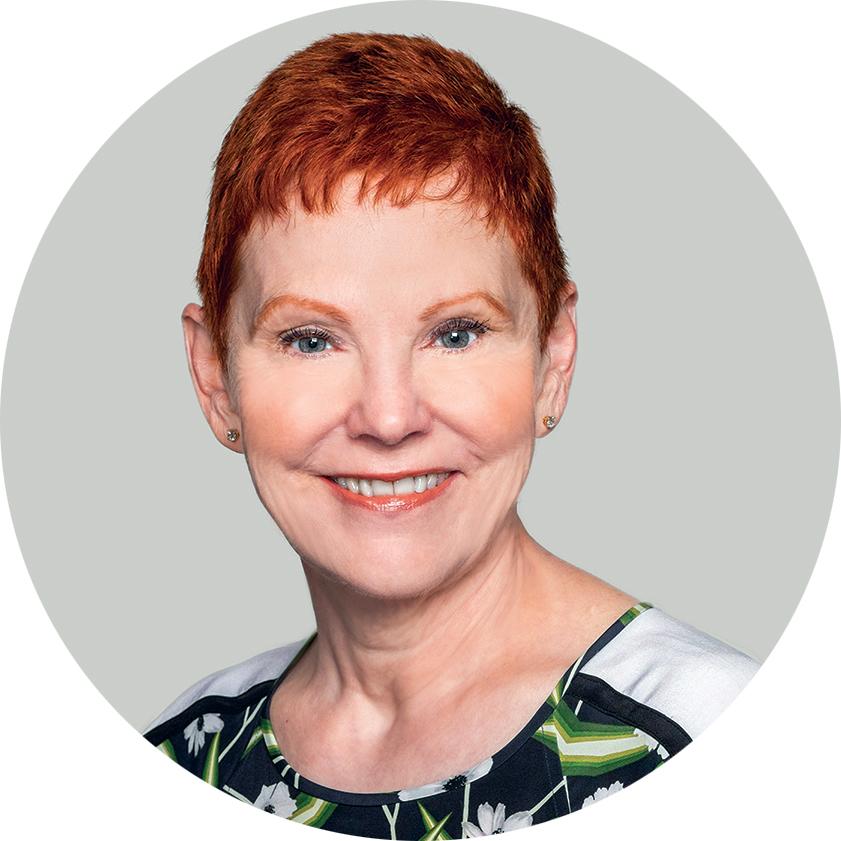
For me, 2026 is a big year of transition. In November 2026 I will be leaving my position as CEO and moving on to new challenges. I am proud of all the things we have done during my tenure, but the year has just begun. There are many new frontiers to conquer before I say goodbye to my colleagues and friends.
The financial challenges our province faces related to U.S. tariffs and general instability are not going away soon. And the pressure this imposes on health care, the largest provincial government expenditure, continues to grow. A complete review of costs throughout the Ministry of Health and health authorities is scheduled to be completed by April 2026. Significant changes have already occurred with staffing cuts across the board, but coupled with continuing growth in demand for health-care services, these reductions will not be enough.
We have long argued the only way to increase access to primary care services while saving costs is to throw out the old way of doing things and truly have pharmacists work to their maximum scope of practice. We can’t continue to try and recruit more family doctors to meet the growing demand — there aren’t enough of them and not as many are willing to work the hours their colleagues did decades ago. Our communities can’t wait for more doctors. They trust their pharmacists to care for far more of their needs than they did a decade ago.
As the most recent flu and COVID immunizations campaigns have shown, patients show up to their pharmacists without hesitation to get the protection they need. By some distance, pharmacists administer the largest number of flu and COVID vaccines — this season, 2.1 million as as of the end of January. Not long ago, the idea of pharmacists doing these campaigns was thought not possible.
As pharmacy practice evolved to enable patients to get prescription renewals, necessary adaptations to their prescriptions, assessments and prescribing for minor ailments and contraception, this has taken pressure off physicians. Hundreds of thousands of patients are having their health-care needs met by a health professional they trust and who is saving the health-care system money. All while delivering safe and effective care.
What’s next? Certainly, there are more conditions that should be added to the minor ailment list — we are hopeful this will happen soon. With the ability for pharmacists to order and assess lab tests, this creates the foundation for pharmacists to initiate prescriptions for a range of conditions, notably stable chronic diseases. A new clinical service fee model would be needed to support this expanded prescribing authority. If pharmacists could care for these patients, unnecessary trips to ERs for prescriptions could be eliminated. Pharmacists are not seeking to replace a patient’s family doctor. Instead, they are looking to support their shared patients’ needs. This makes sense for patients, prescribers, pharmacists and the health-care system as a whole.
I am confident we will see more opportunities for community pharmacists in 2026. And, as goes without saying, the delivery of pharmacy services needs to be supported with fair compensation.
Geraldine Vance
Chief Executive Officer
BC Pharmacy Association